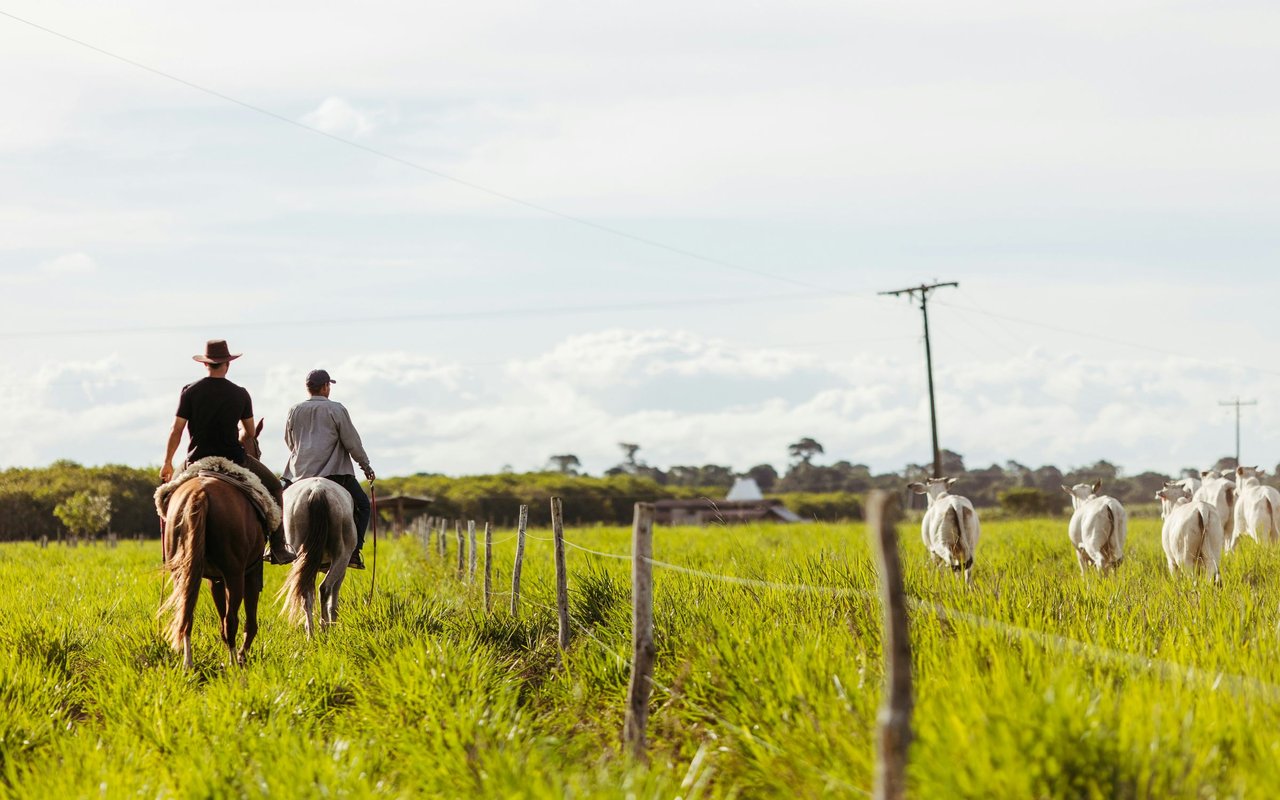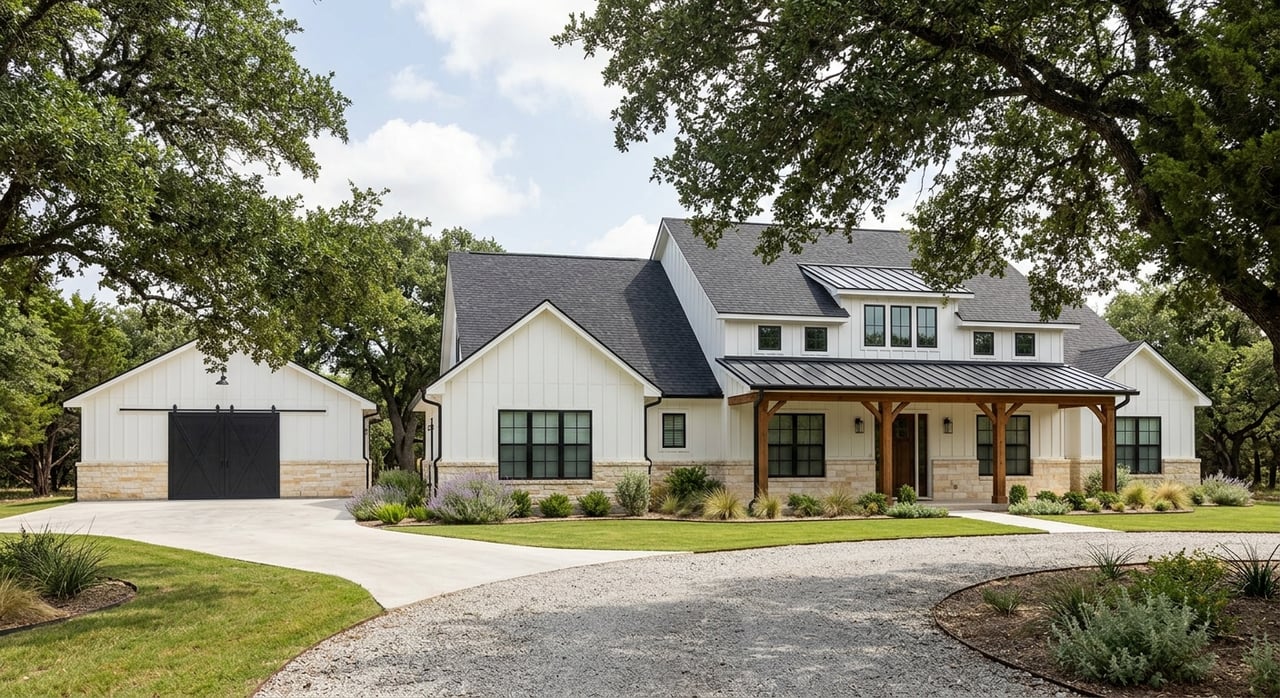
Buying a small ranch home near Aledo can feel exciting and a little more complex than buying a typical subdivision home. If you want space for privacy, animals, hobbies, or simply room to spread out, you also need to think about land use, utilities, financing, and county rules. The good news is that with the right steps, you can approach the process with confidence and avoid costly surprises. Let’s dive in.
Start With the Aledo-Area Buying Process
When you buy a small ranch property near Aledo, the process often involves more than a standard home search. In Parker County, property tax and land-use questions often run through county systems that matter more on acreage deals than they do in a typical suburban purchase.
For example, the Parker County Tax Assessor-Collector states that its office does not appraise property. Instead, property appraisals and assessments are handled by the Parker County Appraisal District. That distinction matters when you are trying to understand taxes, exemptions, or agricultural valuation.
It also helps to think beyond the house itself. The Texas A&M AgriLife new-landowner resource guide is a strong starting point because it connects landowners to agencies and organizations that can help with land management, mapping, conservation, and technical questions.
Get Preapproved Before You Shop
Before you start touring small ranch homes near Aledo, get your financing lined up. The Consumer Financial Protection Bureau explains that a preapproval letter is a tentative statement, not a guaranteed loan offer, but sellers often want to see one before accepting an offer.
That means timing matters. Lenders may review your credit, ask for updated documents, and issue preapprovals that expire after a period of time. In practical terms, it makes sense to get preapproved when you are ready to shop seriously, not months too early.
Compare Loan Estimates Carefully
Once you are under contract on a specific property, do not stop at the first mortgage option. CFPB recommends comparing official Loan Estimates from multiple lenders so you can see key loan terms and costs on the same standardized form.
This is especially useful on acreage properties, where loan details may shift based on property features, insurance, or lender guidelines. A close review can help you spot differences in interest rate, lender fees, and closing costs before you commit.
Check USDA Eligibility
Some buyers looking at rural property near Aledo may also want to explore USDA financing. According to USDA Rural Development, the Section 502 Guaranteed Loan Program can offer 100% financing for eligible low- and moderate-income borrowers purchasing a primary residence in eligible rural areas.
There are no set acreage limits in the program rules, but borrower income, occupancy, and property eligibility still apply. You would need to work through an approved lender to see whether a specific property and your situation qualify.
Do Acreage Due Diligence Early
One of the biggest differences between buying a small ranch home and buying a standard house is due diligence. On acreage, details like septic, well water, access, flood risk, and boundary lines can have a major effect on how you use the property.
The earlier you investigate those items, the easier it is to make informed decisions while you still have options under contract. This step is where practical, land-focused guidance can make a big difference.
Review Septic Requirements
If the property has a septic system, do not treat that as a minor checkbox. The Texas Commission on Environmental Quality says that the site should first be evaluated by a licensed site evaluator or engineer, and that almost all on-site sewage facilities require a permit before construction, installation, repair, extension, or alteration. You can review those requirements through TCEQ’s on-site sewage facility guidance.
For you as a buyer, that means you should understand the system type, condition, and any known repair or permitting issues as early as possible. If work is needed later, it may involve more time and cost than many first-time acreage buyers expect.
Understand Private Well Responsibility
If a small ranch property uses a private well, water quality becomes your responsibility as the owner. The Texas Groundwater Protection Committee states that there is no regulatory oversight ensuring private well water quality.
The Texas Water Development Board also notes in the research source that private well owners do not register wells with the state, though drilled wells require a Texas Water Well Report. In plain terms, you should treat a private well as a major due diligence item, not an afterthought.
Check Flood Maps and Boundaries
Before closing, check flood risk by address using FEMA’s Flood Map Service Center. It is the official public source for flood hazard information and allows you to search by address to view flood maps and related products.
On a small ranch purchase, it is also smart to verify the survey, parcel boundaries, legal access, and the location of major improvements early in the process. Land-based properties often depend on details that matter far more than they would on a small lot in a subdivision.
Know Parker County Ag Valuation Rules
If you are buying a small ranch near Aledo, agricultural valuation is one of the most important topics to understand. In Texas, qualifying farm and ranch land may be appraised based on productivity value rather than market value, which can affect the property tax picture.
According to the Texas Comptroller’s agricultural and timber appraisal guidance, qualifying land must be principally devoted to agricultural use, meet local intensity standards, and generally have a qualifying agricultural or timber history for five of the previous seven years. If the use changes, rollback taxes can apply.
Small Acreage Often Has Limits
This is where local Parker County rules become especially important. Parker County Appraisal District guidance says small acreage tracts with a residence are generally considered residential, and tracts under five acres with a residence generally will not qualify unless they are part of a larger operation and meet the district’s degree-of-intensity standard.
The same local guidance lists minimum acreage guidelines that may apply in certain cases, including five acres for improved pasture, 10 acres for native pasture, five to 20 acres for beekeeping, and 20 acres for wildlife management. Those details come from the Parker County agricultural valuation procedures.
Ag Valuation Does Not Transfer Automatically
A common mistake is assuming an existing ag valuation will simply stay in place after closing. Parker County states that the new owner must reapply after a deed change, and prior approval does not guarantee future approval.
The district may change its standards or determine that the actual use no longer qualifies. Parker County also notes that records such as lease agreements, owner records, income tax records, or statements from adjoining landowners may help support prior agricultural history.
Watch the Filing Timeline
If you plan to apply, timing matters. Parker County’s open-space agricultural use application is Form 50-129, and the filing window is January 1 through April 30, with late filings possible before roll certification but subject to a 10% penalty, according to the same PCAD agricultural valuation procedures.
If the property will be your primary residence, you should also look at the residence homestead exemption after closing. The Texas Comptroller’s property tax exemption page includes the program overview and Form 50-114, while Parker County directs local property-tax questions to PCAD.
Prepare for a More Detailed Closing
Closing on a small ranch home near Aledo is often more document-heavy than closing on a suburban house. CFPB explains that the closing process includes submitting final documents, shopping for homeowner’s insurance and title insurance, reviewing updated loan documents, and signing the final paperwork.
You should also receive the Closing Disclosure at least three business days before closing. That gives you time to review the final numbers and compare them with your earlier Loan Estimates.
Keep the Loan File Updated
If your inspections or due diligence uncover acreage-related issues, make sure your lender knows early. Septic details, well information, land-use questions, acreage concerns, or insurance changes can all affect underwriting and timing.
The smoother path is usually the one with fewer last-minute surprises. Clear communication between you, your lender, the title company, and your real estate agent can help keep the deal on track.
Think Beyond Closing Day
Your purchase does not end when you get the keys. If you are new to owning land, your next steps may include learning more about property management, conservation resources, mapping, and maintenance planning.
That is another reason the Texas A&M AgriLife new-landowner guide is useful. It can help you find agencies and organizations that support long-term landownership questions after the sale is complete.
Buying a small ranch home near Aledo can be a smart and rewarding move when you understand the extra steps involved. If you want practical guidance from someone who understands both the home search and the realities of acreage living, Carson Gates is here to help you navigate the process with clear advice and responsive support.
FAQs
Can you use USDA financing for a small ranch home near Aledo?
- Possibly. USDA Rural Development says eligible borrowers buying an eligible primary residence in a qualifying rural area may be able to use the Section 502 Guaranteed Loan Program through an approved lender.
Does agricultural valuation transfer automatically after buying land in Parker County?
- No. Parker County says the new owner must reapply after a deed change, and prior approval does not guarantee the property will qualify again.
What should you check if a small ranch property near Aledo has a private well?
- You should treat water quality and well documentation as important due diligence items because private well owners are responsible for water quality.
What should you know if a ranch home near Aledo has a septic system?
- You should verify system details early because Texas requires site evaluation and permitting for most on-site sewage facility construction, installation, repair, extension, or alteration.
What should buyers review right before closing on a small ranch home near Aledo?
- You should review the Closing Disclosure, compare it with earlier Loan Estimates, and make sure any acreage, septic, well, or land-use issues are reflected in the loan file.